
Popular events
The Resilience of the Iran Deal: A New Era of Diplomacy | agen live casino terpercaya, ibc138 rtp
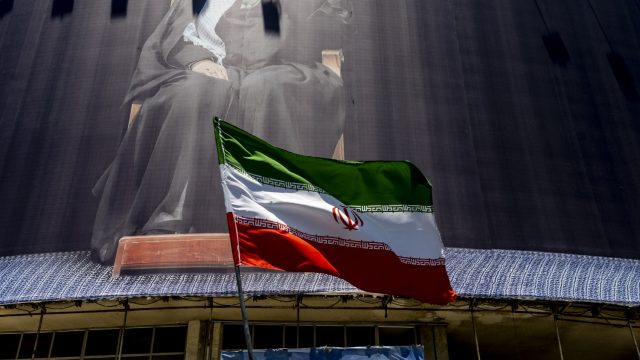
As tensions rise on the global stage, the Iran nuclear agreement emerges as a focal point of sustained diplomatic efforts. Both Washington and Tehran have increasingly acknowledged the necessity of this deal, highlighting its potential benefits in a precarious geopolitical landscape.
Why the Iran Deal Matters Now
The significance of the Iran Deal cannot be understated in today's volatile international relations. With the backdrop of escalating sanctions and regional conflicts, maintaining a dialogue through this agreement serves as a stabilizing force. It presents an opportunity for both nations to navigate their complex relationship and seek common ground.
Impact on Global Stability
The endurance of the Iran Deal has far-reaching implications, not only for the two nations involved but for global security as a whole. By fostering communication and cooperation, the agreement could play a crucial role in preventing nuclear proliferation and promoting peace in the Middle East.
- Preventing Nuclear Proliferation: The deal establishes frameworks for monitoring and restrictions, aiming to prevent Iran from developing nuclear weapons.
- Encouraging Regional Diplomacy: The agreement could pave the way for collaboration on other critical issues, such as counterterrorism and economic stability.
- Mitigating Sanctions Impact: A sustained deal allows for the easing of crippling sanctions that have historical repercussions on Iran's economy.
The Economic Angle: What’s at Stake?
The economic ramifications of the Iran Deal extend beyond just local economies. The easing of sanctions could lead to a surge in oil exports, thereby stabilizing global oil markets. The implications for countries heavily reliant on oil imports, especially in times of economic uncertainty, are significant.
Energy Market Dynamics
In the context of the current energy crisis, having Iran re-enter the global oil market could help alleviate some pressures. This is particularly important as nations grapple with fluctuating energy prices and supply chain disruptions.
- Increased Oil Production: Iran's return could mean increased oil supply, potentially lowering prices globally.
- Investment Opportunities: Investors may find renewed interest in Iranian markets, creating new economic opportunities.
- Stability in Oil Prices: A stable Iran can provide predictability in the volatile oil market, benefiting economies around the world.
Challenges Ahead: Navigating Complex Relations
Despite the advantages, the road ahead is fraught with challenges. Both Washington and Tehran face internal pressures that could impede negotiations. Political factions within both nations may resist compromises essential for the deal's longevity.
Domestic Pressures and Political Realities
In the U.S., shifts in political power could influence foreign policy direction, while in Iran, hardliners may push back against concessions. Understanding these dynamics is crucial for anticipating the deal's future.
- Political Factionism: Diverging opinions in both capitals can lead to inconsistent policies that undermine the deal.
- Public Perception: The public's response to the deal may shape political leaders' willingness to engage.
- International Stakeholders: The involvement of other nations can complicate negotiations but also create avenues for support.
Conclusion: The Path Forward
As both Washington and Tehran look to maintain the Iran Deal, the implications extend beyond mere diplomacy. This agreement has the potential to reshape global relations, impact economic conditions, and foster stability in a region often marked by turmoil. For global stakeholders, the continued engagement with the Iran Deal is not just a strategic necessity—it is also a commitment to a more peaceful future.
