
European Cup
Ongoing Tensions Over Nuclear Inspections: Iran's Firm Stance | twitch slots, l o l surprise, snooker world championship outright odds
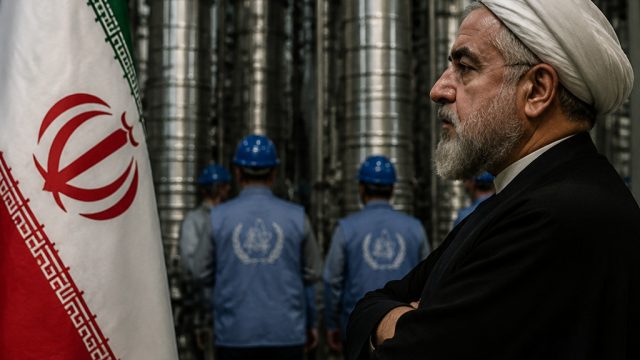
In a rapidly evolving global landscape, the dispute over nuclear inspections in Iran remains a critical issue that captivates international attention. Recent statements from former President Donald Trump have reignited discussions about Iran's commitments to allow inspections, a claim that Tehran vehemently denies. This ongoing saga highlights the intricate web of diplomacy, national security, and international regulations at play.
The Current Situation
During a recent public appearance, Trump asserted that Iran had 'completely agreed' to facilitate nuclear inspections. This assertion stands in stark contrast to the Iranian government's response, which categorically rejects any notion of new agreements regarding their nuclear programs.
Iran's Position
The Iranian leadership, following Trump's comments, reiterated their long-standing position on nuclear sovereignty. Officials from Tehran have emphasized that they are not under any obligation to allow inspections beyond existing agreements:
- Continuity of Past Agreements: Iran maintains that past agreements govern their nuclear activities.
- National Security Concerns: The Iranian government argues that allowing unrestricted inspections could compromise their national security.
- Regional Stability: Iranian officials assert that perceived aggression from the U.S. undermines potential cooperation.
The U.S. Perspective
From the American standpoint, the call for inspections is rooted in efforts to ensure compliance with international nuclear agreements. The Biden administration has sought to navigate this complex situation cautiously, balancing calls for accountability with the need for diplomatic engagement.
Key Considerations
Several factors influence the U.S. approach to the nuclear inspections debate:
- International Relations: The U.S. aims to align its policies with allies who share concerns about nuclear proliferation.
- Legislative Constraints: Recent moves from the U.S. Senate have sought to curb executive powers regarding military actions against Iran, which could impact negotiations.
- Public Opinion: There is a growing sentiment among Americans for a more diplomatic approach, rather than military escalation.
The Global Implications
The ongoing dispute over nuclear inspections extends beyond the U.S. and Iran. The repercussions of this standoff reverberate through global politics, affecting various international relationships and strategic alliances.
Potential Outcomes
The future of this situation could unfold in several ways:
- Renewed Negotiations: Should diplomatic channels reopen, there may be an opportunity for renewed discussions surrounding nuclear oversight.
- Increased Tensions: A failure to reach an agreement could exacerbate existing tensions in the region, possibly leading to military confrontations.
- Shifts in Alliances: Countries observing the U.S.-Iran dynamic may recalibrate their alliances based on perceived stability or instability.
Conclusion
The debate surrounding Iran's nuclear inspections is far from settled, and both domestic and international audiences are closely monitoring developments. As Trump and Iranian officials maintain their respective narratives, the world watches with bated breath. Understanding the implications of these discussions is crucial for comprehending the broader landscape of global diplomacy and national security. The complexities of international relations continue to evolve, and staying informed is key in these turbulent times.
