
European Cup
Exploring Neyland Stadium's Rich Soccer Legacy Ahead of the 1994 World Cup | pasti 138 slot, joker 268, situs judi pagcor
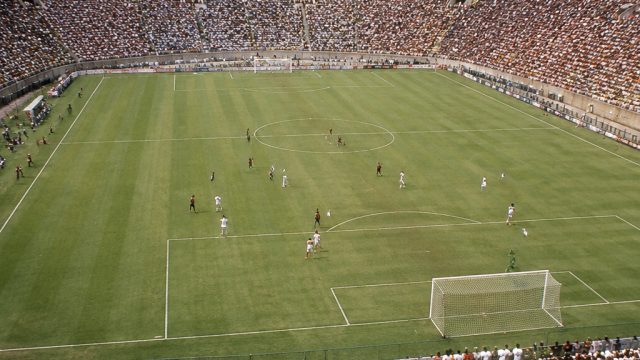
As the world looks forward to the 1994 FIFA World Cup in the United States, it's essential to reflect on the historical significance of venues like Neyland Stadium, which has played a pivotal role in shaping the soccer landscape in Tennessee. Although primarily known for its football legacy, Neyland Stadium's connection to soccer offers a fascinating glimpse into the evolution of the sport in America. This article delves into the stadium's past regarding soccer, providing insights that resonate even today.
Neyland Stadium: A Multifaceted Venue
Neyland Stadium, home to the University of Tennessee Volunteers, has long been a centerpiece of sports in Knoxville. With a capacity of over 100,000, it stands as one of the largest stadiums in the country. While it predominantly hosts college football games, the stadium's journey into soccer began as early as the 1970s, when it hosted several exhibition matches that would ignite interest in the sport.
Early Soccer Events
- 1977: The First Competitive Match - Neyland Stadium saw its first significant soccer event with a match featuring the United States men’s national team.
- 1984: The Olympic Soccer Trials - Leading up to the Los Angeles Olympics, Neyland hosted Olympic hopefuls, further cementing its role as a soccer venue.
- 1989: Friendly Matches - The stadium welcomed international teams, showcasing soccer's growing popularity in the region.
The Role of Neyland Stadium in Popularizing Soccer
Throughout the years, Neyland Stadium has played a crucial part in popularizing soccer within Tennessee and beyond. The excitement generated by these early matches contributed to a growing fan base, which would eventually lead to the establishment of local leagues and youth programs. The vibrant atmosphere of a sold-out stadium during these matches left a lasting impact, inspiring a new generation of players and fans.
Local Initiatives and Development
In conjunction with the momentum from soccer events at Neyland, local initiatives began to emerge:
- Youth Soccer Leagues: With increased interest, various local leagues were established, providing opportunities for young players to develop their skills.
- Soccer Camps: Coaches and former players hosted camps at Neyland, fostering talent and introducing the sport to newcomers.
- Community Engagement: Partnerships with schools and community organizations helped broaden soccer's reach, bringing diverse populations into the sport.
Anticipation for the 1994 World Cup
As the 1994 World Cup approached, Neyland Stadium stood poised at the forefront of soccer's burgeoning popularity in the United States. The excitement surrounding the tournament sparked conversations about the potential for future soccer events at the venue. The World Cup not only promised to elevate the sport's profile nationally but also inspired local fans to embrace soccer enthusiastically.
Impact on Local Culture
The impact of the World Cup on local culture cannot be overstated. It boosted interest in soccer games and provided a platform for local teams to gain recognition. Here are some lasting effects:
- Increased Attendance: Local soccer matches saw a significant rise in attendance as more fans became aware of the sport.
- Sponsorship Opportunities: Businesses began to invest in soccer-related promotions, recognizing the sport's commercial potential.
- Long-term Development: The groundwork laid by events at Neyland Stadium contributed to ongoing support for soccer initiatives, paving the way for future generations.
Conclusion: A Legacy of Growth and Passion
Neyland Stadium’s history with soccer exemplifies the sport’s growth in Tennessee and the broader U.S. landscape. As we await the 1994 World Cup, it’s essential to acknowledge how venues like Neyland have contributed to soccer's evolution. The legacy forged through passion, community support, and unforgettable matches ensures that soccer will continue to thrive long after the final whistle of the World Cup. For fans and players alike, Neyland Stadium remains a symbol of the beautiful game’s rise in America.
