
Champions League
Revolutionizing Marketing: AI Tools for Creative Campaigns | ini slot888, mulia77
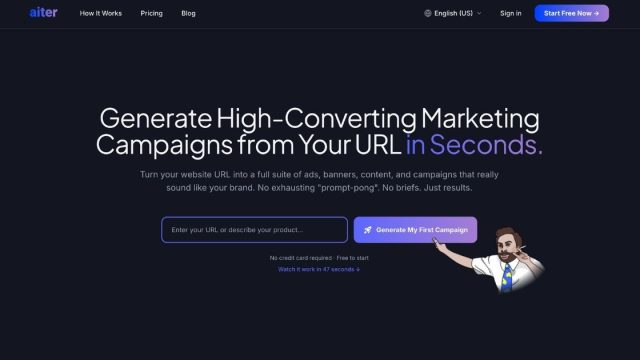
In today's fast-paced digital landscape, businesses are constantly searching for innovative ways to streamline their marketing efforts. With the rapid advancement of artificial intelligence (AI) technologies, marketing strategies are being transformed in unprecedented ways. The latest tools available for automating advertising and fine-tuning brand messaging are not just trends; they're essential components of a successful campaign. As brands increasingly seek to enhance their outreach, understanding the current AI landscape is vital.
The Shift Towards Automation in Marketing
The demand for efficiency in marketing has never been higher. Businesses are turning to AI-driven solutions that allow them to create high-quality advertisements quickly and effectively. Platforms designed for automated ad generation facilitate a seamless blend of creativity and data analysis, enabling brands to remain competitive in a crowded marketplace.
Why Automation Matters Now
- Time Efficiency: Automated systems reduce the time required to develop marketing materials, allowing teams to focus more on strategy and less on execution.
- Cost Reduction: By minimizing the need for extensive human labor in creative tasks, companies can significantly cut marketing costs.
- Consistency in Branding: AI tools ensure that all generated content adheres to a brand’s guidelines, maintaining a cohesive message across platforms.
Key Features of AI Marketing Tools
AI-powered marketing platforms come equipped with a variety of features designed to enhance the efficiency of advertising. Here are some of the key capabilities that businesses are leveraging:
1. Custom Ad Creation
Tools that allow for personalized ad generation are becoming increasingly popular. These systems analyze brand attributes and audience preferences to create tailored ads that resonate.
2. Performance Analytics
Integrating AI with analytics enables brands to understand the effectiveness of their campaigns in real-time. This capability helps in optimizing future marketing efforts based on data-driven insights.
3. Cross-Platform Integration
Modern AI marketing tools often support multi-channel campaigns, allowing content to be distributed seamlessly across various platforms while maintaining brand consistency.
Real-World Applications and Success Stories
Brands across multiple industries are already experiencing significant benefits from incorporating AI into their marketing strategies. Here are a few examples:
Case Study: A Leading Retailer
A major retail brand recently adopted an AI marketing platform to automate their seasonal advertising campaigns. By integrating the system, they saw a 30% increase in engagement and a 25% reduction in costs associated with traditional ad creation methods.
Case Study: A Tech Startup
A tech startup utilized AI-driven tools to tailor their marketing messages to specific segments of their user base. This resulted in a 40% increase in conversion rates as they were able to deliver personalized content that resonated with their audience.
Future Trends in AI Marketing
As AI technology continues to evolve, the possibilities for improving marketing strategies are limitless. Here are some emerging trends to watch for:
- Enhanced Personalization: Future AI tools will likely offer even more granular customization, enabling brands to craft highly specific messages based on individual customer data.
- Integration of Augmented Reality: The merging of AR with AI in advertising could create immersive experiences that captivate audiences.
- Sustainability Messaging: AI tools will increasingly assist brands in creating campaigns that resonate with eco-conscious consumers, aligning marketing strategies with corporate social responsibility.
Conclusion: Embrace the AI Advantage
The integration of AI tools into marketing strategies is not just a passing trend; it's a fundamental shift that is set to redefine how brands interact with their audiences. By leveraging the power of automation and data analysis, businesses can enhance their marketing efficiency, reduce costs, and create meaningful connections with customers. As the landscape continues to evolve, staying informed on the latest advancements is crucial for any brand aiming to maintain a competitive edge.
