
NBA video
The Urgent Shift to Electric Freight: Cities at the Forefront | permainan catur cina, rtp hepi8, bocoran hk malam ini pasti tembus
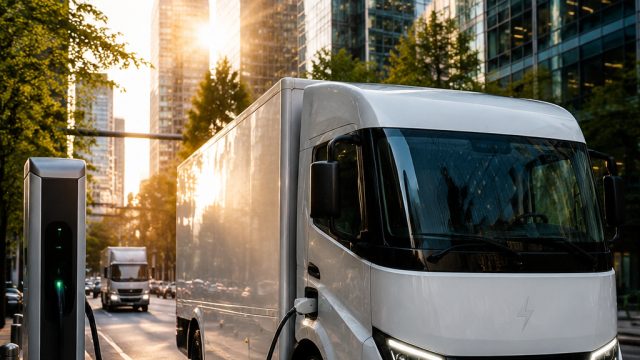
The transition to electric freight trucks is not just on the horizon; it's rapidly approaching a tipping point. A recent analysis from C40 Cities and the University of Exeter highlights the pivotal role urban areas play in accelerating this shift. As cities grapple with pollution and climate change, embracing electric vehicles (EVs) for freight could lead to significant changes in urban logistics, energy security, and environmental health.
Why Electric Freight Matters Now
The increasing adoption of electric trucks is crucial for various reasons:
- Reducing Urban Pollution: Electric trucks produce zero emissions at the point of use, significantly improving air quality in metropolitan areas.
- Energy Security: Transitioning to electric vehicles diversifies energy sources and reduces dependence on fossil fuels, contributing to a more resilient energy framework.
- Economic Benefits: Electric trucks can lower operational costs in the long run, providing economic incentives for businesses to adopt cleaner technologies.
Cities as Catalysts for Change
Cities are uniquely positioned to lead the charge in electrifying freight transportation. Here’s how:
Policy Implementation
Local governments can create a supportive environment through:
- Incentives for Businesses: Providing tax breaks or subsidies for companies that invest in electric freight solutions fosters a quicker transition.
- Infrastructure Development: Investing in charging infrastructure is vital to support the growing fleet of electric trucks and ensure operational efficiency.
Public Awareness and Engagement
Raising awareness about the benefits of electric freight can mobilize community support:
- Educational Campaigns: Implementing campaigns that highlight the environmental and economic advantages of electric trucks can shift public perception.
- Community Involvement: Engaging residents in discussions about urban mobility can lead to more innovative solutions tailored to local needs.
Real-World Examples of Electric Freight Initiatives
Several cities worldwide are already setting the stage for a successful transition to electric freight:
Los Angeles, California
Los Angeles is investing heavily in electric trucks, with initiatives aimed at reducing emissions from freight transport. The city has implemented incentives for fleet operators to switch to electric vehicles, supplemented by robust charging infrastructure.
Copenhagen, Denmark
Copenhagen’s commitment to sustainability includes a comprehensive plan to electrify its delivery fleets. The city has partnered with local businesses to promote the use of electric vans and trucks, thereby reducing traffic congestion and improving air quality.
Amsterdam, Netherlands
Amsterdam is a pioneer in electric freight, with numerous logistics companies adopting electric vehicles. The city has established dedicated zones for electric freight traffic, allowing for more streamlined deliveries and less environmental impact.
The Road Ahead: Challenges and Opportunities
While the potential for electric freight is significant, several challenges remain:
- High Initial Costs: The upfront costs of electric trucks can be prohibitive for many businesses, necessitating financial support from the government.
- Charging Infrastructure: A widespread, reliable network of charging stations is essential for the success of electric freight.
- Regulatory Hurdles: Navigating existing regulations can be challenging for businesses looking to switch to electric fleets.
However, addressing these challenges presents an opportunity for innovation and collaboration between cities, businesses, and government agencies.
Conclusion: The Time to Act is Now
The transition to electric freight is not just an environmental imperative but an economic opportunity that cities can leverage. As urban centers take proactive steps to implement policies and infrastructure that support electric trucks, they not only enhance their sustainability efforts but also set a precedent for other regions. The time to act is now, and the benefits of leading this charge are profound—both for cities and for the planet.
