
football video
Cleveland Police Relations: A Judicial Perspective on Ongoing Tensions | curang main slot, online casino poker, bubble shooter online game
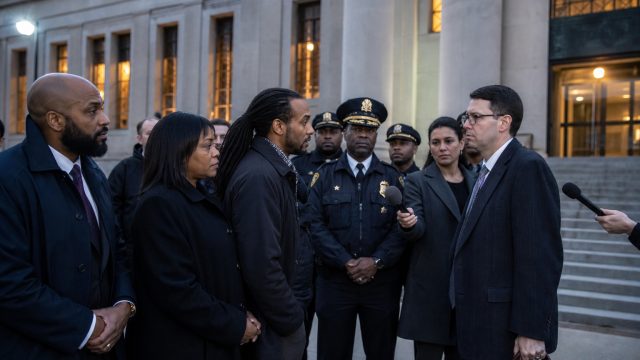
In recent discussions surrounding the Cleveland Community Police Commission, U.S. District Judge Solomon Oliver has brought attention to what he describes as a critical rift between city officials and the commission members. This ongoing dispute raises significant questions about the future of policing in Cleveland and its impact on community trust and safety.
The Strained Dynamics Between City Officials and the Commission
Judge Oliver’s remarks highlight the deepening divide that has emerged in the relationship between Cleveland’s city leadership and the police commission, which was established to enhance accountability within law enforcement. The judge emphasized the importance of cooperation, stating, "Without a unified approach, the efforts for reform may stall, leaving the community vulnerable to unresolved issues."
Understanding the Role of the Community Police Commission
This commission was formed to provide oversight and ensure that policing practices align with community expectations. However, it seems that internal tensions are hindering its effectiveness. With community trust in law enforcement at an all-time low, these conflicts could have dire consequences.
- Transparency: The commission is tasked with being a bridge between police and residents.
- Accountability: Ensures officers are held responsible for their actions.
- Policy Influence: Advises on changes to policing practices.
Judicial Intervention: A Necessary Step?
Given the current state of affairs, Judge Oliver has expressed a willingness to step in and mediate discussions between the two parties. His intervention may bring the necessary attention to these issues, prompting both sides to engage more constructively.
Implications of Judge Oliver's Potential Involvement
Should Judge Oliver take an active role, there are several potential outcomes that could emerge:
- Improved Communication: A facilitated dialogue could enhance mutual understanding.
- Policy Revisions: New policies may be drafted to improve police-community relations.
- Community Rebuilding: Trust could slowly be restored if collaborative efforts are evident.
Why Resolving This Rift Matters Now
The urgency of resolving this conflict cannot be overstated. The ramifications of ongoing strained relations are felt throughout the community, impacting public safety and residents’ perceptions of law enforcement. With crime rates fluctuating and public sentiment towards police evolving, it is imperative that both parties work towards a solution swiftly.
Community Voices and Their Impact
Residents have expressed their frustrations and hopes through various forums. Their input is essential for any reform to be truly effective. Community engagement strategies must be prioritized to ensure that the voices of those most affected by policing practices are heard. Some key aspects include:
- Community forums for dialogue.
- Surveys to gauge public sentiment on police effectiveness.
- Involvement in policy development from community leaders.
Conclusion: Moving Forward for a Safer Cleveland
As Judge Solomon Oliver prepares to potentially mediate, the hope is that this will catalyze a much-needed collaboration between the city and the Cleveland Community Police Commission. The relationship between police and the community is vital for the welfare of all Cleveland residents. Strengthening this bond will require commitment from both sides, prioritizing transparency, accountability, and community engagement. The time for decisive action is now; the future of Cleveland’s public safety depends on it.
