La Liga
Revisiting the Turning Point: The Rebel Invasion of 1863 | prabutoto xyz, slot kamboja, link vodka138
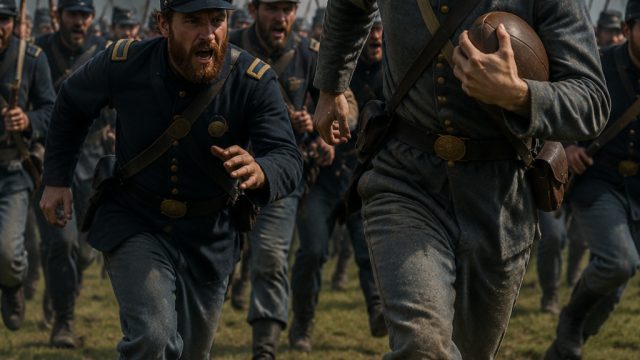
The summer of 1863 marked a significant turning point in the American Civil War, highlighted by the Rebel Invasion of Pennsylvania. As Confederate forces advanced into Northern territory, the nation held its breath, anticipating the outcomes of this bold military maneuver. The invasion not only intensified the war but also ignited fervent emotions across the country, signaling a pivotal moment in the struggle between the North and South.
The State of Affairs Leading Up to the Invasion
In early June 1863, tensions ran high as rumors of a Confederate invasion spread like wildfire. The Army of Northern Virginia, under General Robert E. Lee, sought to capitalize on their previous victories by striking into the heart of the North. This campaign aimed to demoralize Union forces and potentially sway public opinion towards peace, giving the South a much-needed advantage. The excitement and anxiety surrounding the impending invasion were palpable, as citizens across the Union braced for the possible ramifications.
The Military Strategy Behind the Invasion
- Lee's Objectives: General Lee aimed to disrupt Union supply lines and gather resources to sustain his army.
- Geographical Advantages: The terrain of Pennsylvania offered strategic advantages for maneuvering troops.
- Psychological Warfare: The invasion was designed to instill fear and uncertainty within the Northern states.
The Invasion Begins: Initial Movements and Key Battles
As Confederate troops crossed into Pennsylvania, the Union Army scrambled to respond. The initial movements set the stage for what would become the Battle of Gettysburg, a decisive clash that would alter the course of the war. The Union, under the command of General George Meade, fortified their positions, preparing for the confrontation that would unfold over three grueling days.
Key Events Leading Up to Gettysburg
- Skirmishes in Pennsylvania: Early encounters between Confederate scouts and Union cavalry signaled the start of hostilities.
- The Gathering Storm: As both armies amassed their forces, the stakes grew higher, and the anticipation of battle filled the air.
- Strategic Positioning: Both commanders sought to gain the high ground, a tactic crucial to the impending battle's outcome.
The Battle of Gettysburg: A Defining Moment
The Battle of Gettysburg would become one of the most significant confrontations of the Civil War. Over three days, from July 1 to July 3, 1863, Union and Confederate forces clashed in a brutal struggle that would leave thousands dead and wounded. The Union's victory here marked a turning point, as it ended Lee's invasion and began to shift the momentum of the war in favor of the North.
Aftermath and Historical Significance
The consequences of the Rebel Invasion were far-reaching. Not only did it result in heavy casualties on both sides, but it also reinvigorated the Union's resolve to fight. The victory at Gettysburg, coupled with the fall of Vicksburg shortly thereafter, created a dual blow to Confederate hopes and strategies.
The Legacy of the Rebel Invasion
Today, the events of 1863 continue to resonate, serving as a reminder of the sacrifices made during one of the most tumultuous periods in American history. The Rebel Invasion of the North fundamentally transformed the Civil War, shaping the nation's trajectory and influencing the principles of freedom and equality that would define future generations.
Modern Reflections
As we reflect on the Rebel Invasion, it's crucial to consider its implications in contemporary society. Understanding the events that led up to Gettysburg provides valuable lessons on unity, perseverance, and the ongoing struggle for justice.
Conclusion
The Rebel Invasion of 1863 remains a significant chapter in the narrative of the American Civil War. The bravery displayed by soldiers on both sides, the strategic maneuvers employed, and the resulting shifts in public sentiment reiterate the complexity of this era. Recognizing the importance of these historical events allows us to appreciate the enduring legacy left by those who fought for their beliefs amidst chaos.